
When we talk about successful show gardens and installations, it is easy to focus on the finished result. The photographs. The awards. The crowds.
But the most memorable projects are rarely about the finished product alone.
They are about the people who bring an idea to life.
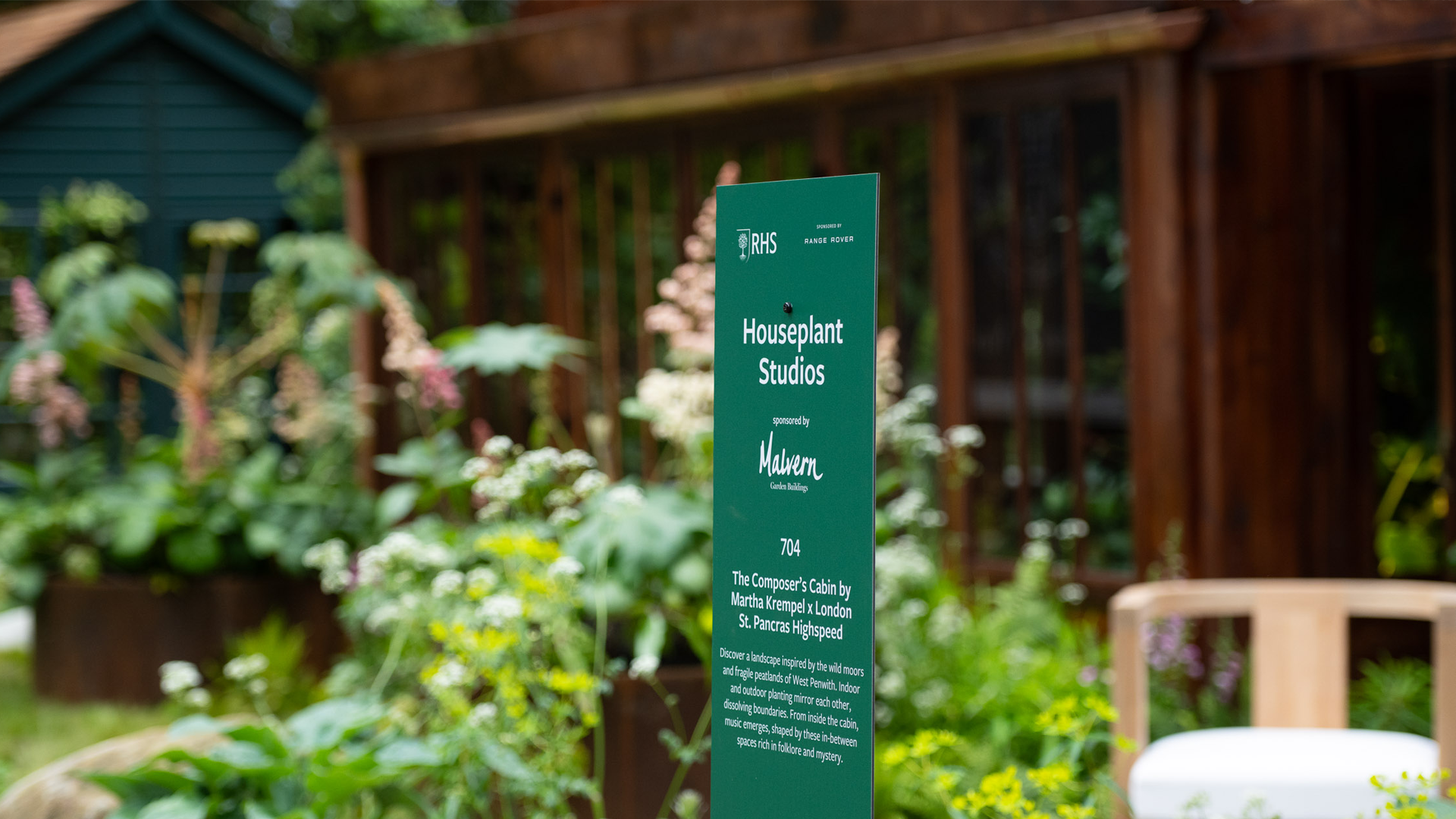
The Composer’s Cabin, designed by award-winning garden designer Martha Krempel for the Malvern Garden Buildings Houseplant Studios category at the RHS Chelsea Flower Show 2026. Inspired by creativity, music and the environmental significance of peatlands in the landscapes of Cornwall, it combined a beautifully crafted garden room with a naturalistic moorland setting.
A Cabin Rooted in Its Landscape
For Martha, the landscape was just as important as the building itself; the Cabin was designed to feel connected to its surroundings. To belong to a landscape, not simply occupy a space within one.
“It’s important that I can do a garden around [a cabin]. Because I think any of these cabins should fit in a garden or a landscape, which would then anchor them and tether them to the ground.”
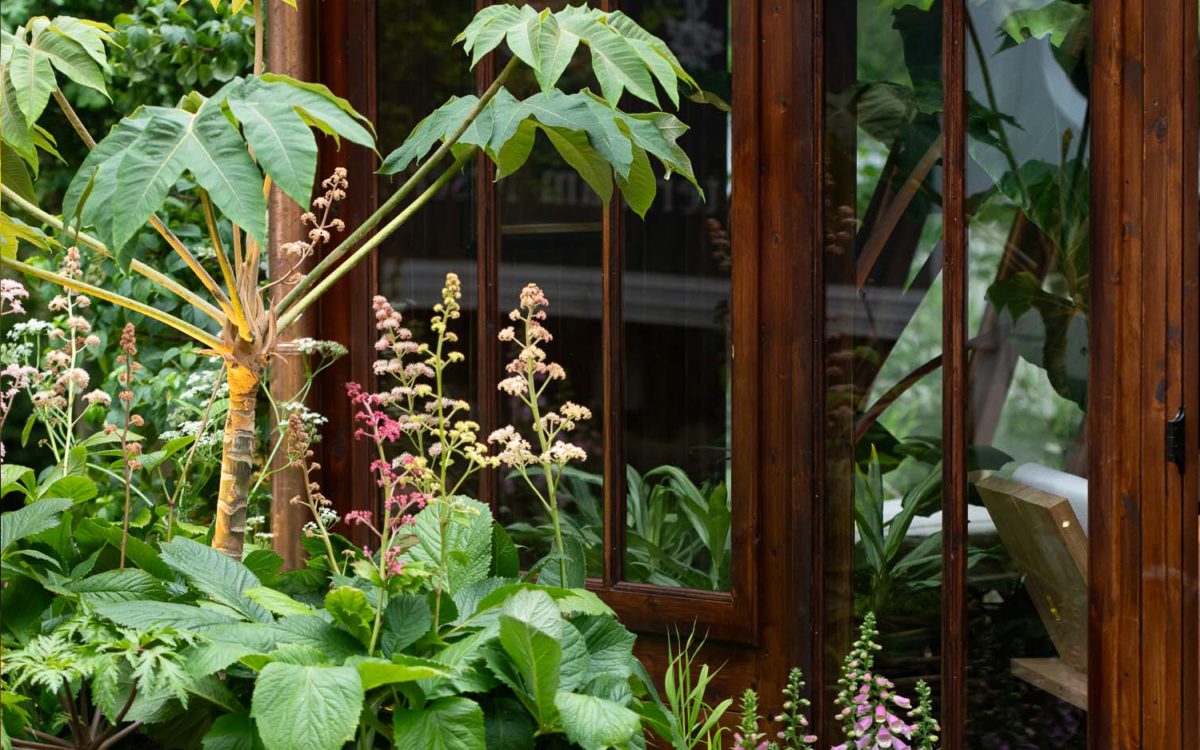
Drawing on the rugged beauty of West Penwith in Cornwall, Martha designed a naturalistic setting of weathered boulders, shaggy grasses, heathers, gorse and bog planting. The contrast with the ordered calm of the cabin and the wildness beyond helped create a space that felt both immersive and authentic.
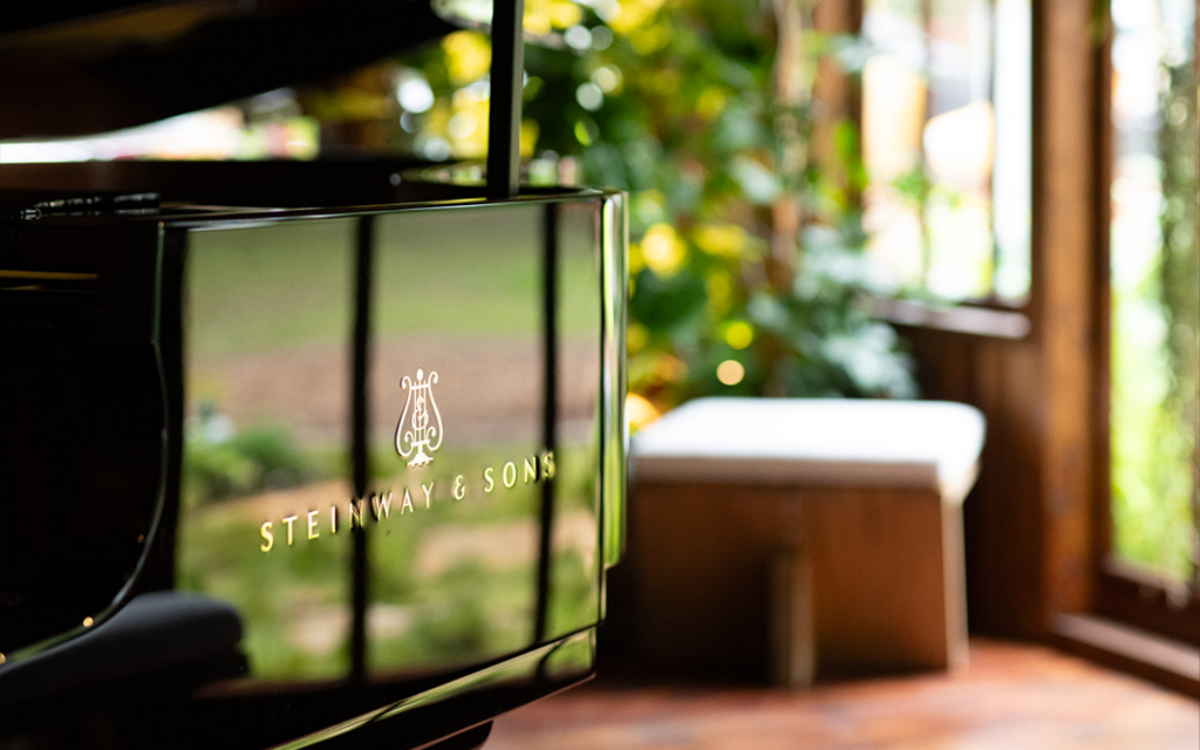
The Composer’s Cabin took inspiration from Martha’s own garden room, where a piano sits amongst plants and natural light. The interior was conceived as a peaceful retreat for reflection, creativity and music, complete with a Steinway & Sons Model B Spirio I r piano, carefully chosen planting and a generous window seat designed to encourage visitors to pause for a moment and reflect. Martha wanted to make the cabin feel as though:
“The composer, he or she […] could walk around the cabin on a rainy day, but look out and see this beautiful, really wild moorland landscape outside.”
Turning Vision into Reality
Bowles & Wyer were appointed to build the landscape, continuing a long-standing working relationship with Martha that had developed through previous collaborations. There was already a strong foundation of mutual trust and respect.
For Martha, collaboration was key:
“There’s this healthy dynamic of mutual respect between the designer and the team. Everybody is listening to everybody else, and it’s a respectful situation.”
Throughout the planning and build, ideas were discussed, refined and tested. Practical solutions were developed without compromising the original vision. One example was the use of specialist shaggy turf to help capture the character of the Cornish moorland while reducing the need for significant additional planting

When the Unexpected Happens
Every Chelsea project presents challenges. Few, however, begin quite like this one.
On the eve of the build, after more than a year of planning and preparation, Martha became seriously ill and was admitted to hospital.
Concerned about letting all her stakeholders down. Martha worked remotely from her hospital bed, with the Bowles & Wyer team, speaking regularly with Construction Supervisor Glyn Cristofoli and the site team through phone calls and FaceTime. Using her drawings, reference images and design intent, the team continued building while keeping Martha involved in every key decision.
The circumstances were far from ideal, but they reinforced an important principle: successful projects are built on relationships as much as technical expertise.
Martha later described the team as “amazing”, praising their positivity, professionalism and calm approach during an exceptionally difficult period.
“They made me feel it was okay and I could just concentrate on getting well.”
Opening Day at Chelsea
After four days in hospital, Martha was discharged and returned straight to Chelsea to complete the planting.
It was a remarkable effort.
The finished installation became a place of quiet escape amid the energy and excitement of the show. Throughout the week, Steinway ambassadors played the instrument and helped bring the space to life, reinforcing the idea that the cabin was not simply a structure, but somewhere to think, create and connect. The Composers Cabin was awarded a Silver award by judges for Chelsea Flower Show 2026.
A Life Beyond the Show
One of the most rewarding aspects of the Composer’s Cabin was that its story did not end when Chelsea closed.
Following the show, the installation was relocated to St Pancras International Station, where it reached a wider public audience. Through partnerships involving St Pancras, Steinway, Malvern Garden Buildings,, the project was also designed to be a platform for raising awareness of peatland conservation and environmental stewardship.
Creating a sustainable Legacy
Chelsea installations are often temporary by nature, but the Composer’s Cabin was carefully designed with a longer-term future in mind.
Almost every component found a new purpose after the project concluded. Plants were donated or rehomed, materials were reused, boulders were returned to their original source location, furniture went back into circulation, and the cabin itself was purchased by a homeowner in Cornwall.
For Martha, ensuring that the project left a positive legacy was as important as its success at Chelsea. She invited her local school to visit the installation teaching the children about moorland habitats, peatlands and biodiversity.
More Than a Show Garden
The Composer’s Cabin demonstrates what is possible when talented people come together around a shared vision.
Design expertise, practical craftsmanship and strong relationships all played their part. Yet what stands out most is the spirit of collaboration that carried the project through unexpected challenges and helped deliver something truly memorable.
As Martha put it:
“I felt totally supported. It makes a huge difference because there’s less stress. There’s this mutual respect going on, and that was really nice.”
And ultimately, that spirit of teamwork is every bit as important as the garden itself. See some more photos of the Composers Cabin in our portfolio here
July 21, 2026


