
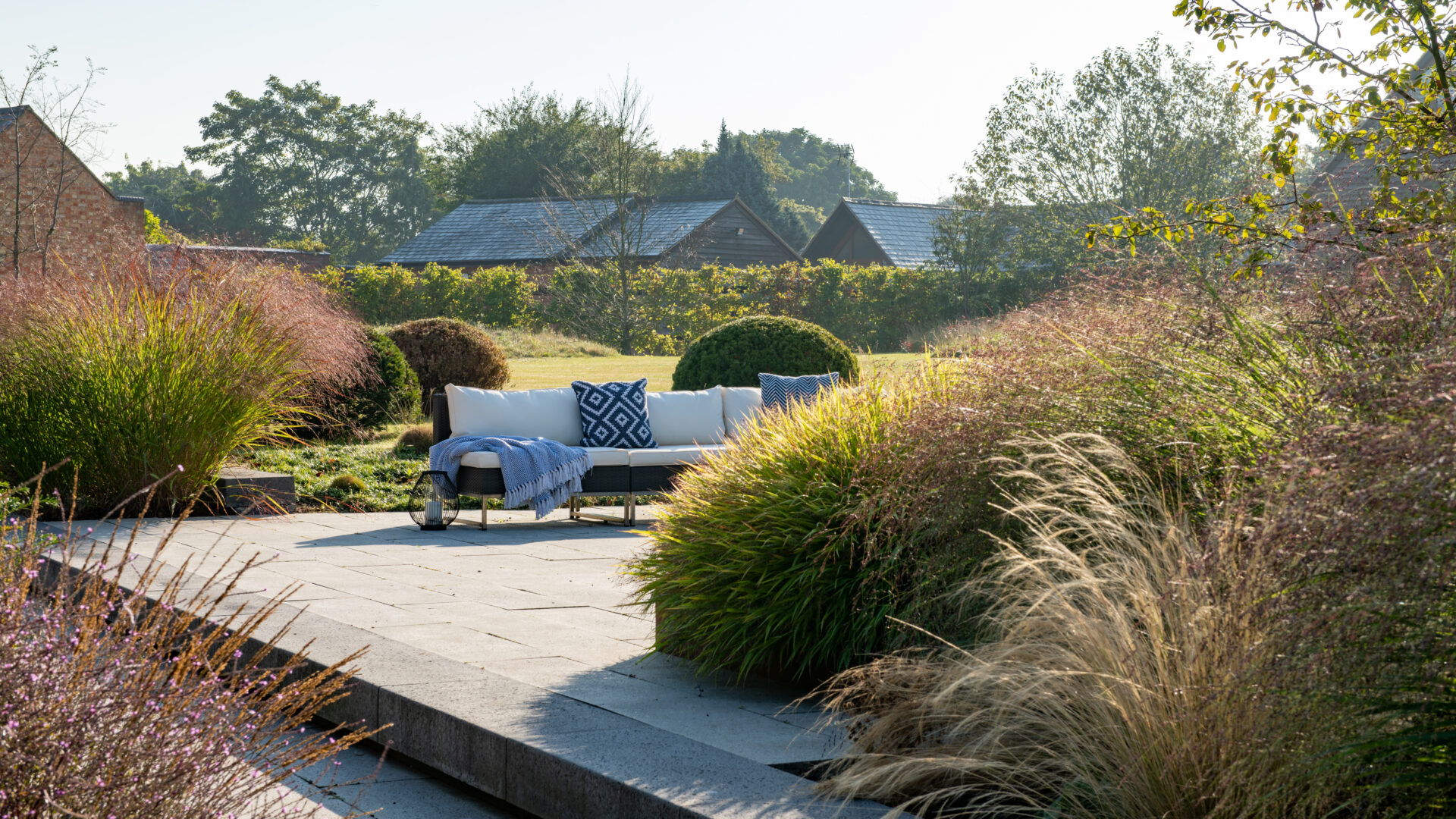
A Considered Approach to Garden Design
In garden design, the most powerful spaces are often the quietest. As we move into a new year, there’s a growing shift away from excess and towards restraint — fewer materials, fewer plants, fewer competing ideas. This is the essence of a considered approach to garden design: doing less, but doing it better.
Rather than chasing trends, this way of thinking prioritises longevity, clarity, and craftsmanship. It’s about creating gardens that feel calm, cohesive, and deeply rooted in how they’re meant to be used.
Designing with Intention
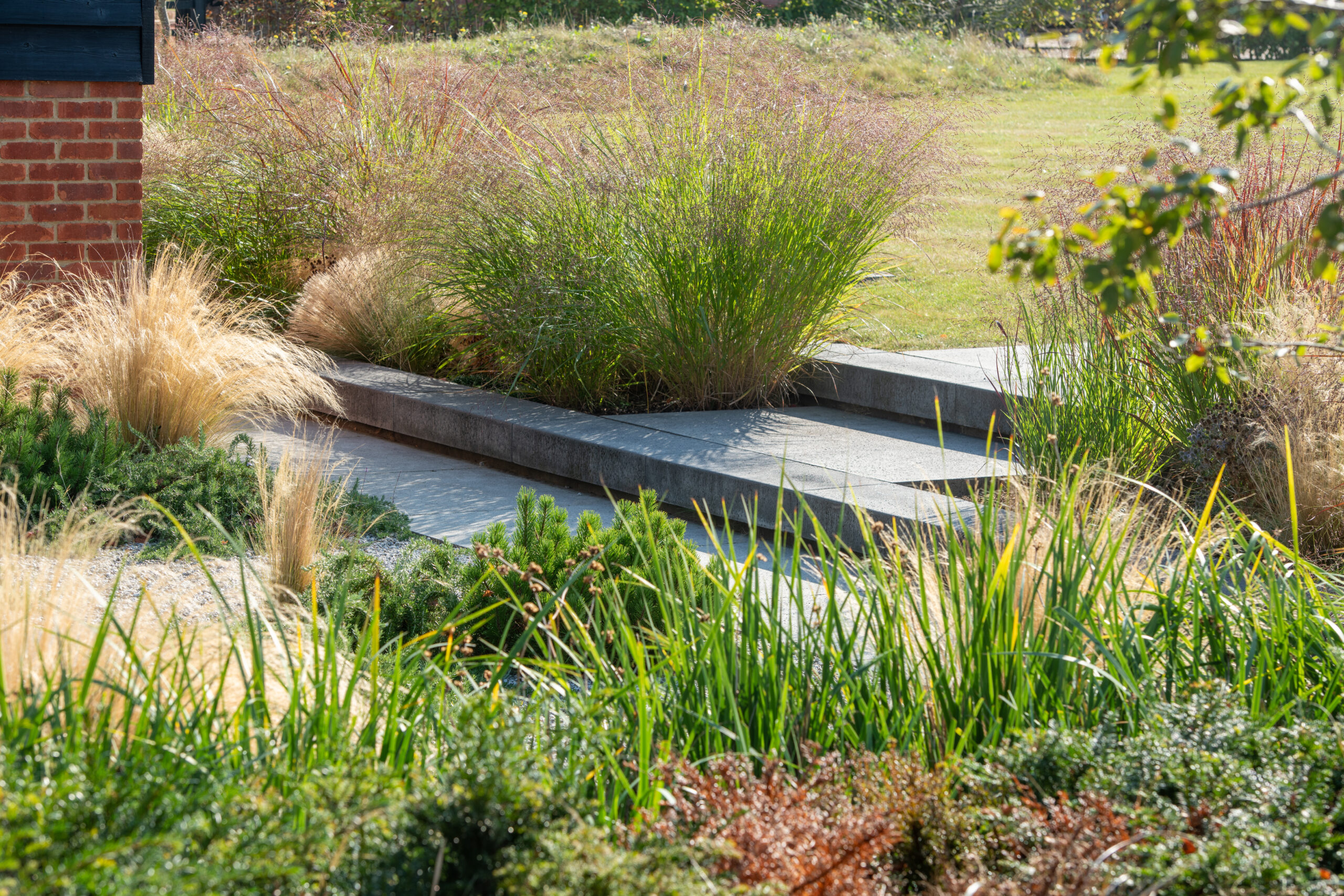
A considered garden starts with understanding. How will the space be used? Who is it for? What does it need to feel like? When every element has a purpose, the result is a landscape that feels effortless rather than overworked.
Clear layouts, strong structure, and well-placed focal points allow the garden to unfold naturally. Nothing feels unnecessary — and nothing feels rushed.
Fewer Materials, Stronger Impact
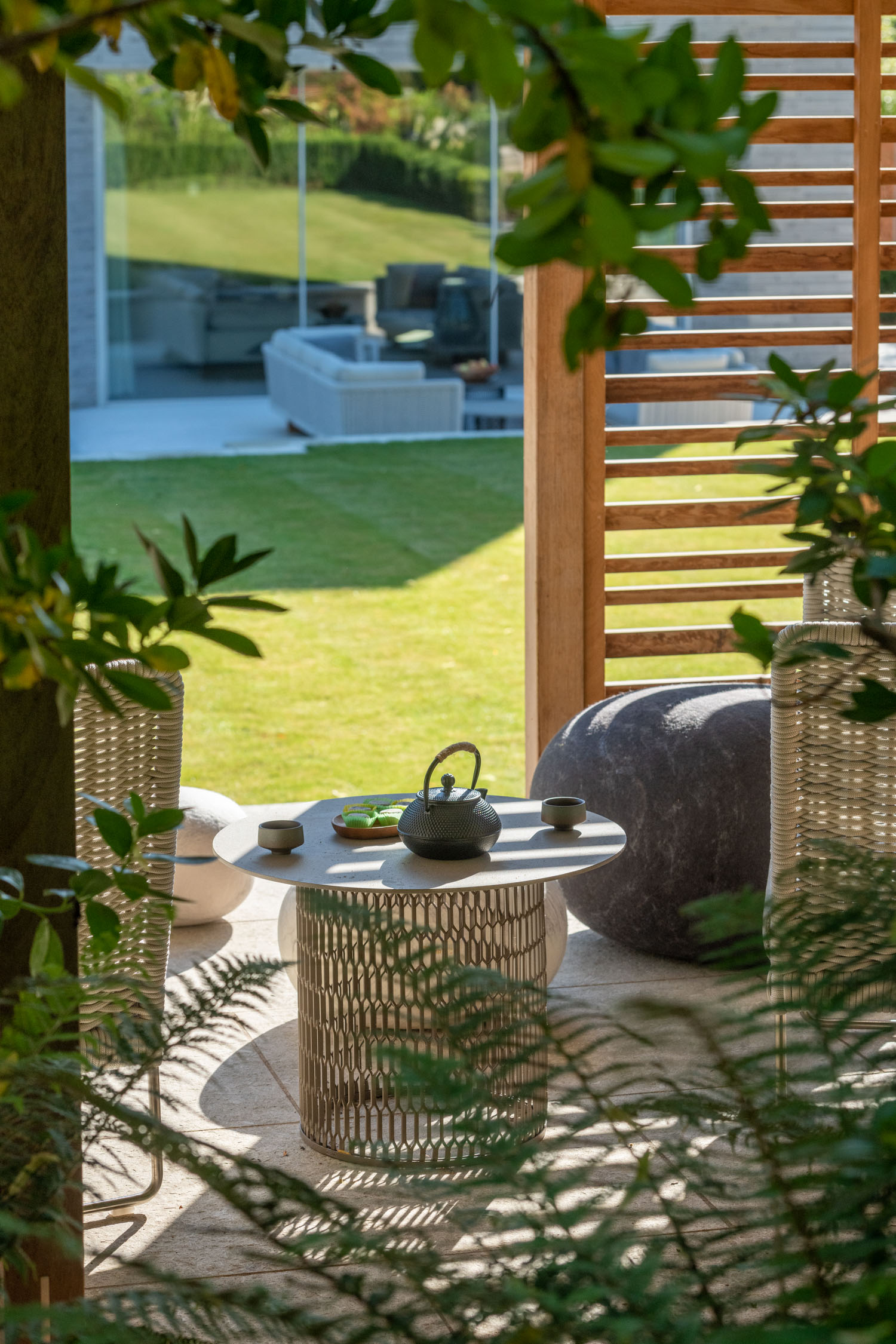
Limiting the palette is one of the most effective ways to bring clarity to a garden. Using fewer materials — repeated thoughtfully — creates a sense of rhythm and balance across the space.
The same applies to planting. A restrained selection of plants, chosen for form, texture, and seasonal interest, allows each one to shine. Over time, this approach delivers richer character and easier maintenance, without sacrificing beauty.
Quality Over Quantity
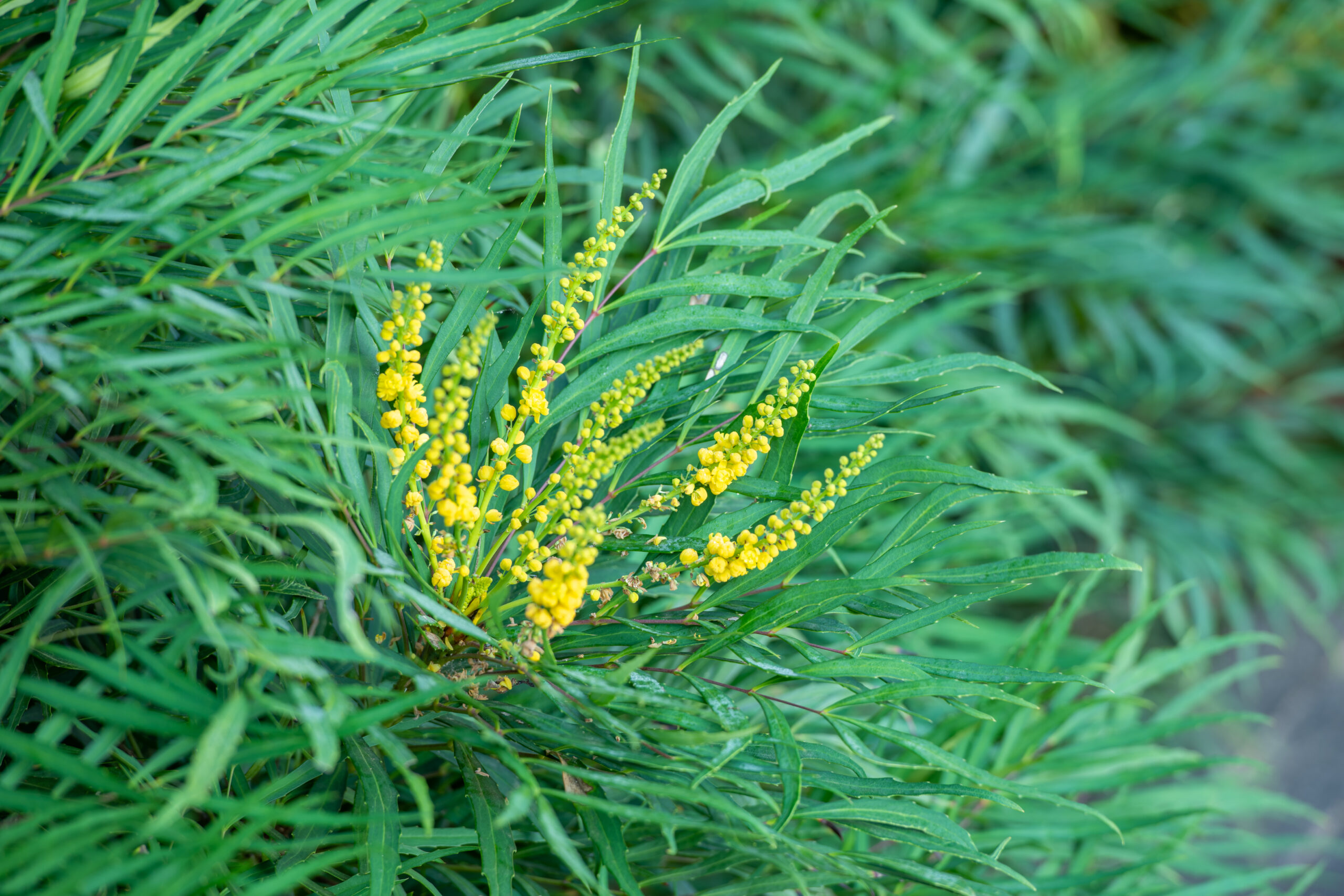
Less, but better means investing where it matters. In high-quality hard landscaping, well-grown trees, and planting schemes designed to mature gracefully. These choices may take longer to establish, but they reward patience — growing more beautiful with each passing year.
This approach also supports sustainability, reducing waste and encouraging landscapes that endure rather than constantly needing replacement.
Gardens That Last
A well-designed garden isn’t finished in a single season. It evolves. It settles. It improves. By resisting the urge to overfill a space, a considered design leaves room for growth — both in planting and in how the garden is experienced over time.
At its heart, less-but-better garden design is about confidence. Knowing when to hold back. Trusting in simplicity. And creating outdoor spaces that feel calm, timeless, and deeply liveable.
January 14, 2026


