
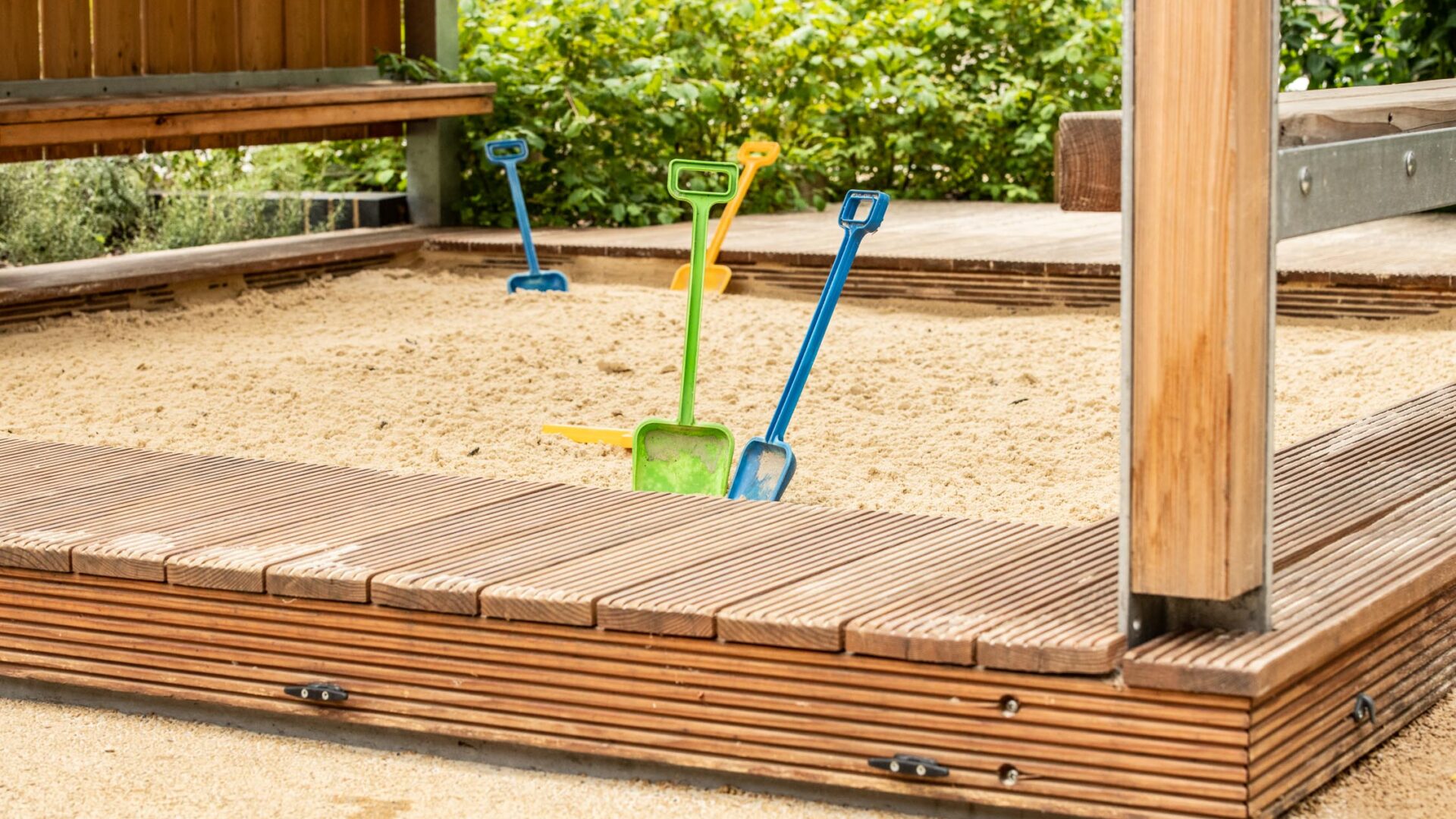
Designing Gardens and Play Spaces for Kids: Blending Fun, Safety, and Sustainability
Creative ways to design safe, engaging, and wildlife-friendly spaces for children.
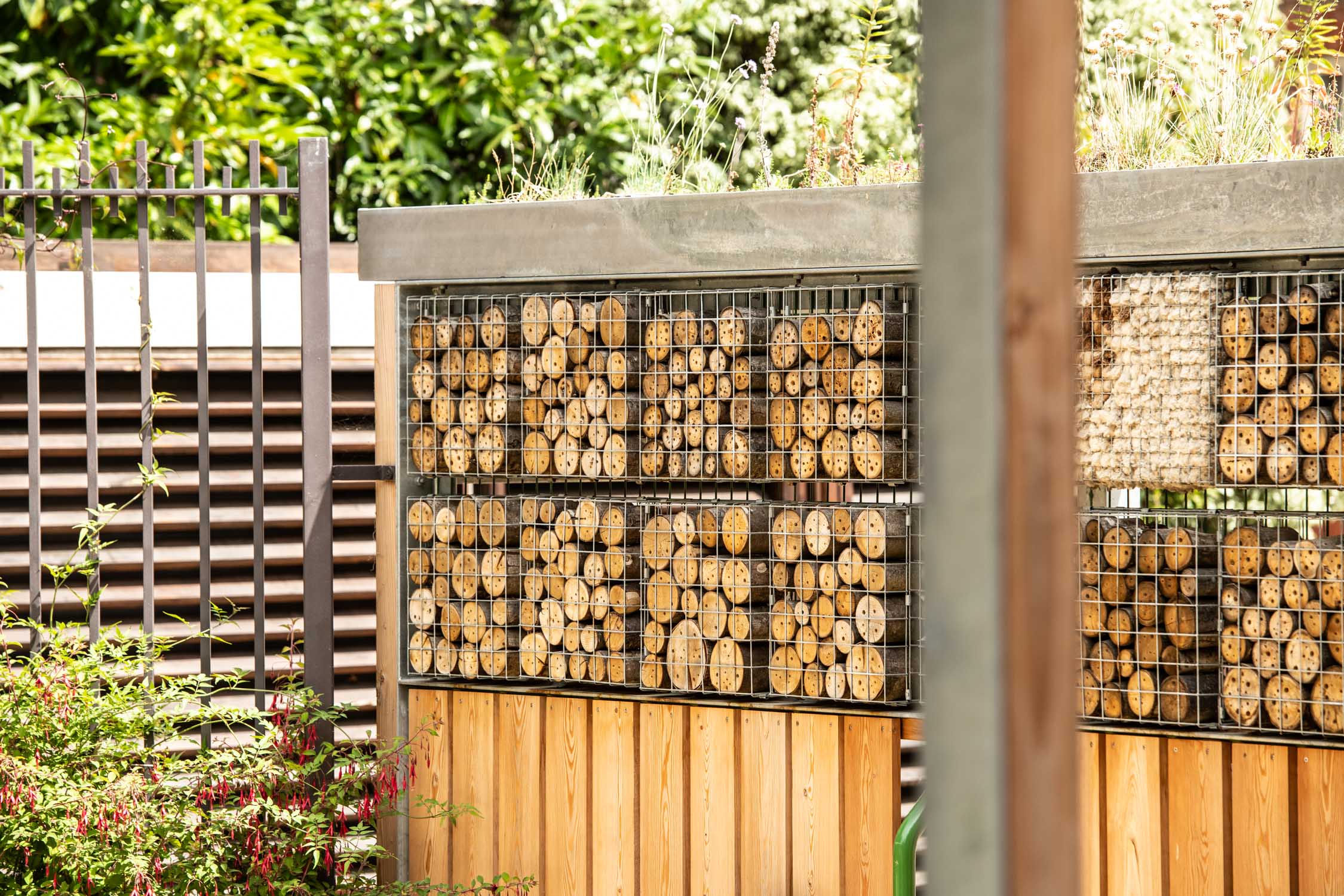
Creating outdoor spaces for children is about more than just swings and slides. Thoughtfully designed gardens and play areas can nurture creativity, encourage exploration, and foster a lifelong connection with nature. At the same time, these spaces can be safe, sustainable, and enriching environments that benefit children, families, and communities alike.
The Benefits of Outdoor Play Spaces
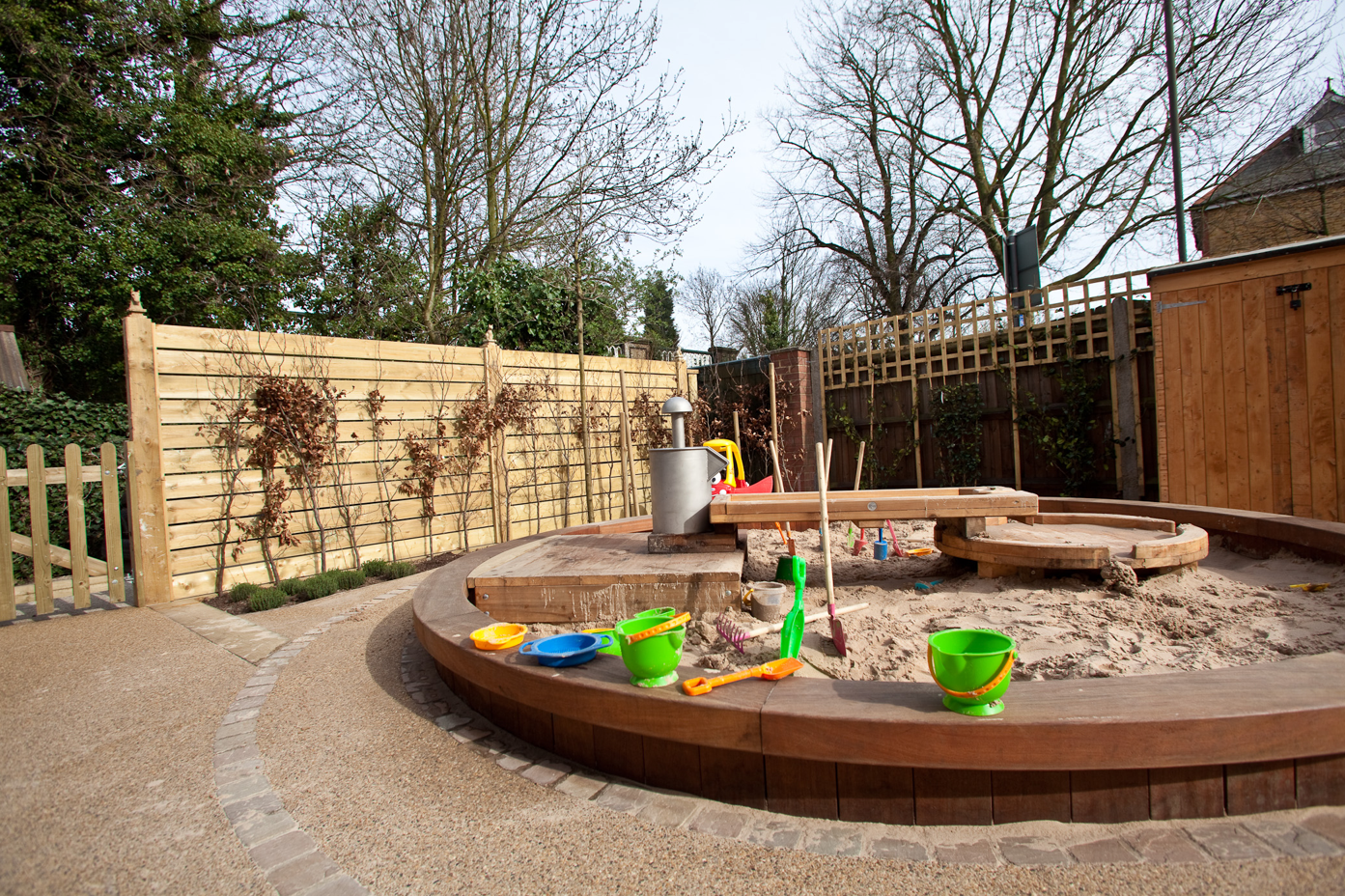
1. Encourages Physical Activity
Outdoor play spaces invite children to run, climb, and explore, helping them develop strength, coordination, and overall fitness.
2. Boosts Creativity and Imagination
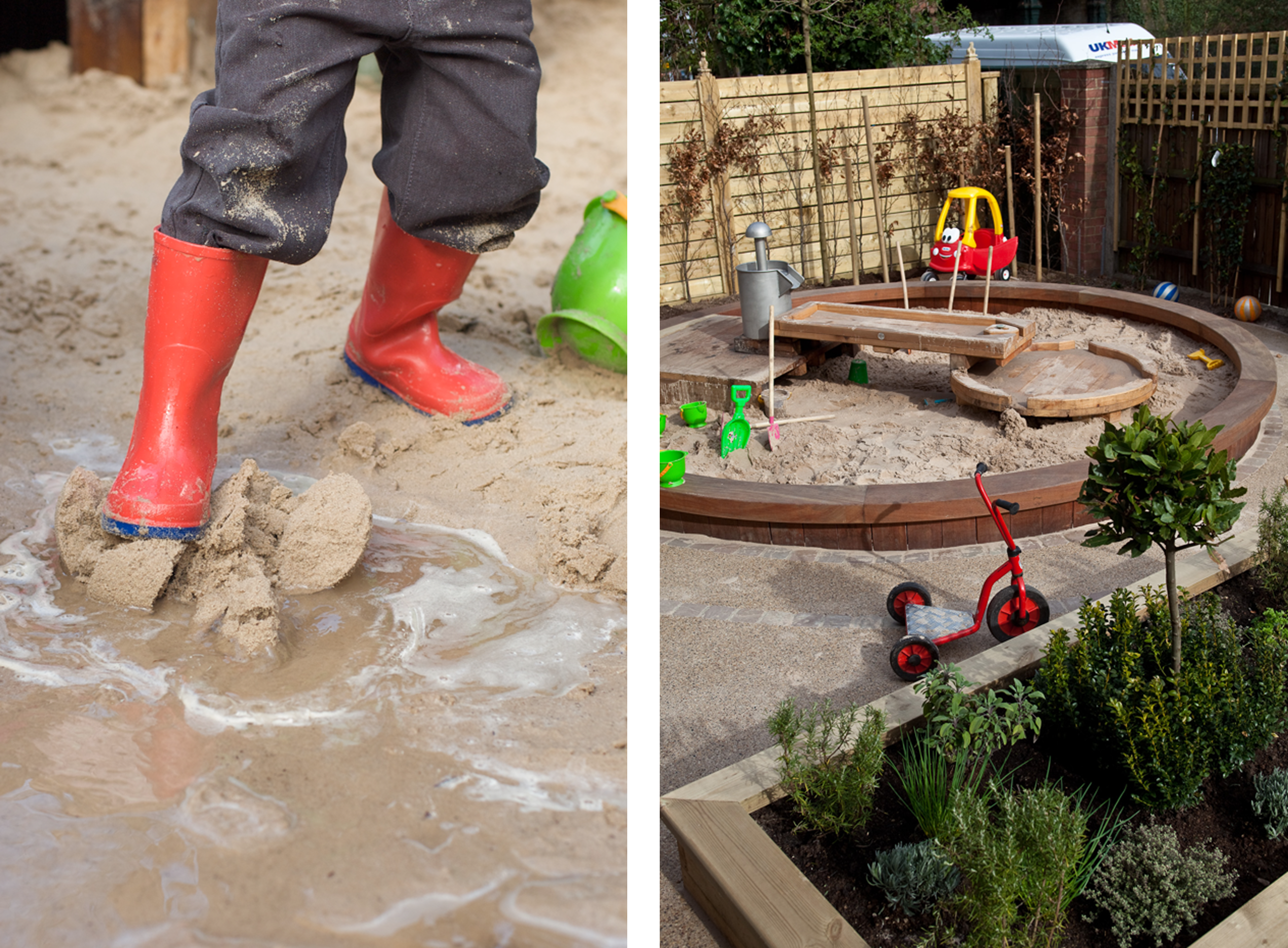
Natural elements such as logs, boulders, and plants inspire imaginative play, storytelling, and problem-solving.
3. Supports Mental Wellbeing
Access to green spaces has been linked to reduced stress, improved focus, and greater happiness in children.
4. Strengthens Social Skills
Shared play environments encourage teamwork, communication, and the building of friendships.

Private Gardens for Families
For our high-net-worth private clients, bespoke garden design can seamlessly integrate dedicated play areas for children. These spaces can balance elegance with function—blending lawns, hidden dens, or adventure trails within beautifully landscaped surroundings. Such designs allow children to explore freely while ensuring the overall aesthetic complements the home and its outdoor living spaces.
Community Gardens and Shared Spaces
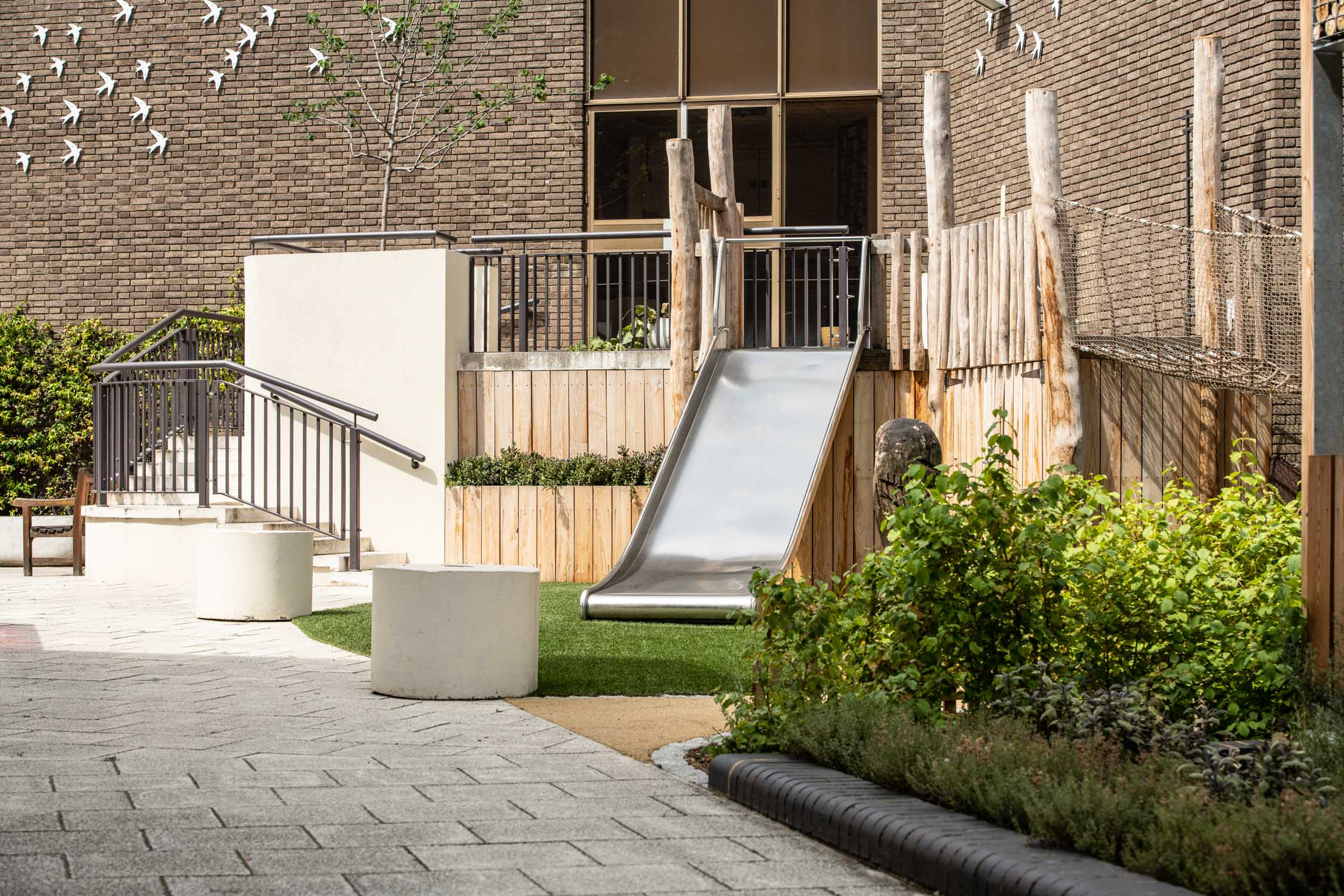
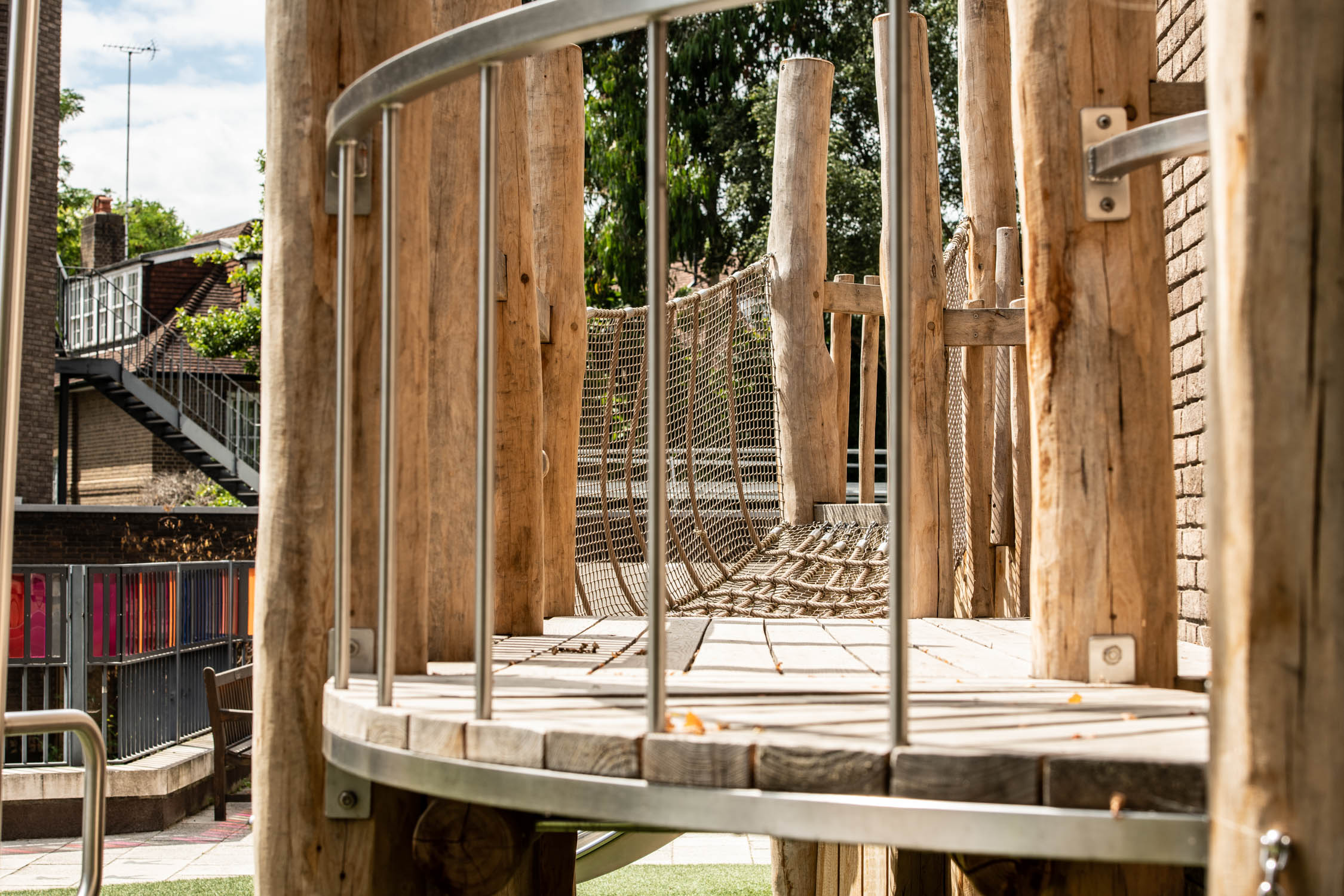
In high-rise buildings, town centres, or inner-city flats, community gardens and shared play spaces provide vital access to greenery. For children growing up in urban environments, these spaces can:
- Offer safe, car-free areas to play.
- Encourage community interaction and shared ownership.
- Provide health benefits such as improved mental wellbeing and increased physical activity.
- Reduce the feeling of isolation by connecting families through shared outdoor experiences.
Well-designed communal gardens become green oases, helping city children enjoy the same health and developmental benefits as those with private gardens.
Designing with Sustainability in Mind
A child’s play space can be both eco-friendly and durable. Using sustainable materials not only reduces environmental impact but also provides tactile, natural experiences for children:
- Natural Play Features: Logs, tree stumps, and water play stations connect children to the natural world.
- Recycled & Reclaimed Materials: Repurposed wood, stone, or old tires become creative play structures.
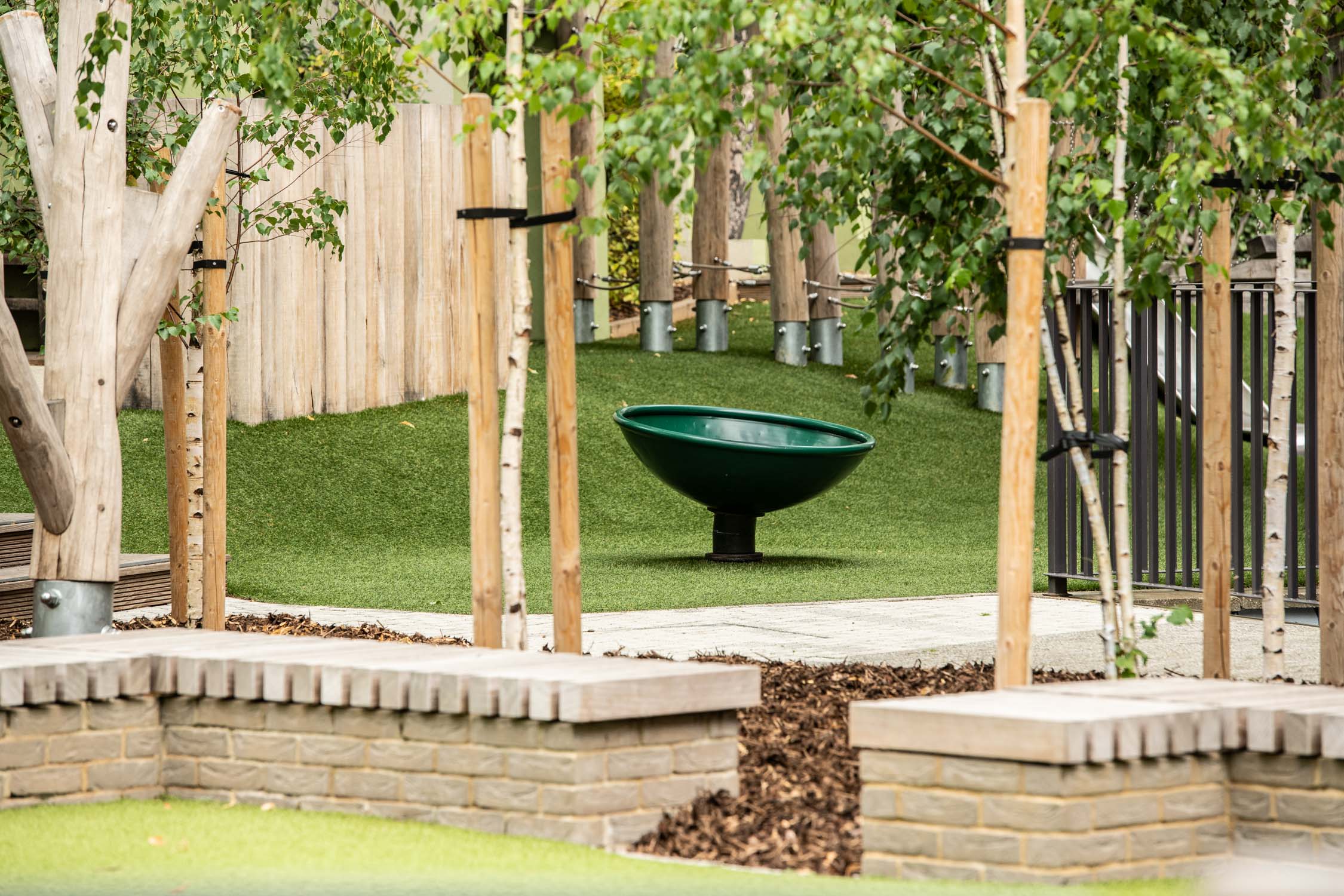
- Native Planting: Choosing local plants supports biodiversity and reduces maintenance.
- Permeable Surfaces: Grass, woodchip, or gravel reduce water runoff and enhance drainage.
Safety First
- Smooth wooden surfaces to prevent splinters.
- Ensure play structures are sturdy and age-appropriate.
- Use non-toxic paints and finishes.
- Design clear sightlines for easy supervision.
In Summary
Whether it’s a bespoke family garden or a community green space, designing for children is about blending safety, fun, and sustainability. With thoughtful planning and eco-friendly design, these spaces can inspire curiosity, improve health, and create lasting memories for children and their communities.
Resources and Inspiration
- Play England (playengland.org.uk) – Guidance on safe, engaging play spaces.
- Landscape Institute (landscapeinstitute.org) – Insights into sustainable landscape design.
- Green Schoolyards America (greenschoolyards.org) – Ideas for outdoor learning and natural play.
- Royal Horticultural Society (RHS) (rhs.org.uk) – Advice on child-friendly planting and garden activities.
August 18, 2025


